
(4.1) Recognize the extent to which a culture’s structures and values may oppress, marginalize, alienate, or create or enhance privilege and power.
Field: I attended an annual Title VI education training at The Partnership that discussed the rights of individuals, what Title VI is, what discrimination can look like, and how to prevent it in the workplace.
Class: During my Social Welfare class (SOCW 212), I wrote a paper titled “Why Poverty?” about the impoverished American population, including its causes, my personal perspective, and an interview on the subject. In the class, I learned about factors that contribute to poverty and how poverty affects those in the population.
(4.2) Gain sufficient self-awareness to eliminate the influence of personal biases and values in working with diverse groups.
Field: I demonstrated this practice behavior when I appropriately handled situation where a resident criticized my religious beliefs. I described the experience in one of my journals and discussed the issue of handling personal criticism by residents during supervision. I was able to recognize how my personal values might influence my practice and was grew as a professional through this experience.
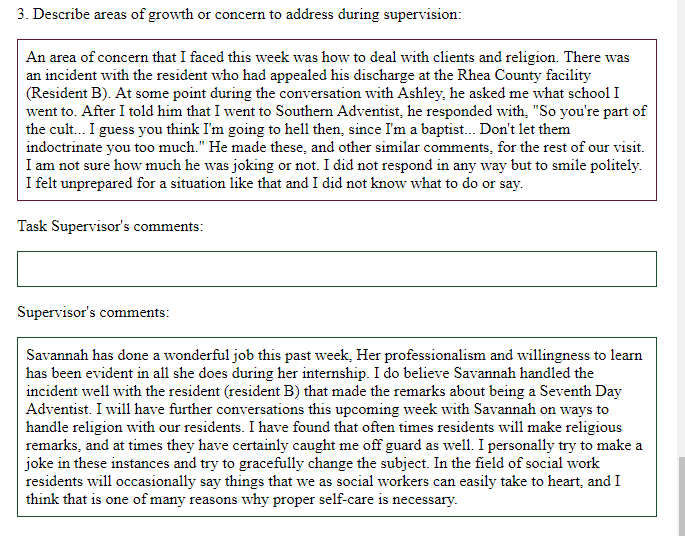
Class: Part two of the Integration of Faith and Practice paper that I wrote for Integrative Seminar I (SOCW 441) includes an interview that I conducted with my field supervisor highlighting how she integrates her personal faith into practice and how she manages her faith with those who do not share her same values.
(4.3) Recognize and communicate their understanding of the importance of difference in shaping life experiences.
Field: I demonstrated this practice behavior by discussing, in my weekly journal, ways in which I have seen discrimination occur in long-term care facilities.


Class: I conducted a bio-psycho-social assessment interview with my pseudo-client for SOCW 310. This interviewed reminded me of the importance of difference in shaping life experiences, because my pseudo-client grew up as the child of foreign missionaries. This experience shaped who she is and how she identifies herself.
(4.4) View themselves as learners and engage those with whom they work as informants.
Field: I demonstrated this practice behavior when I visited the National Museum of the 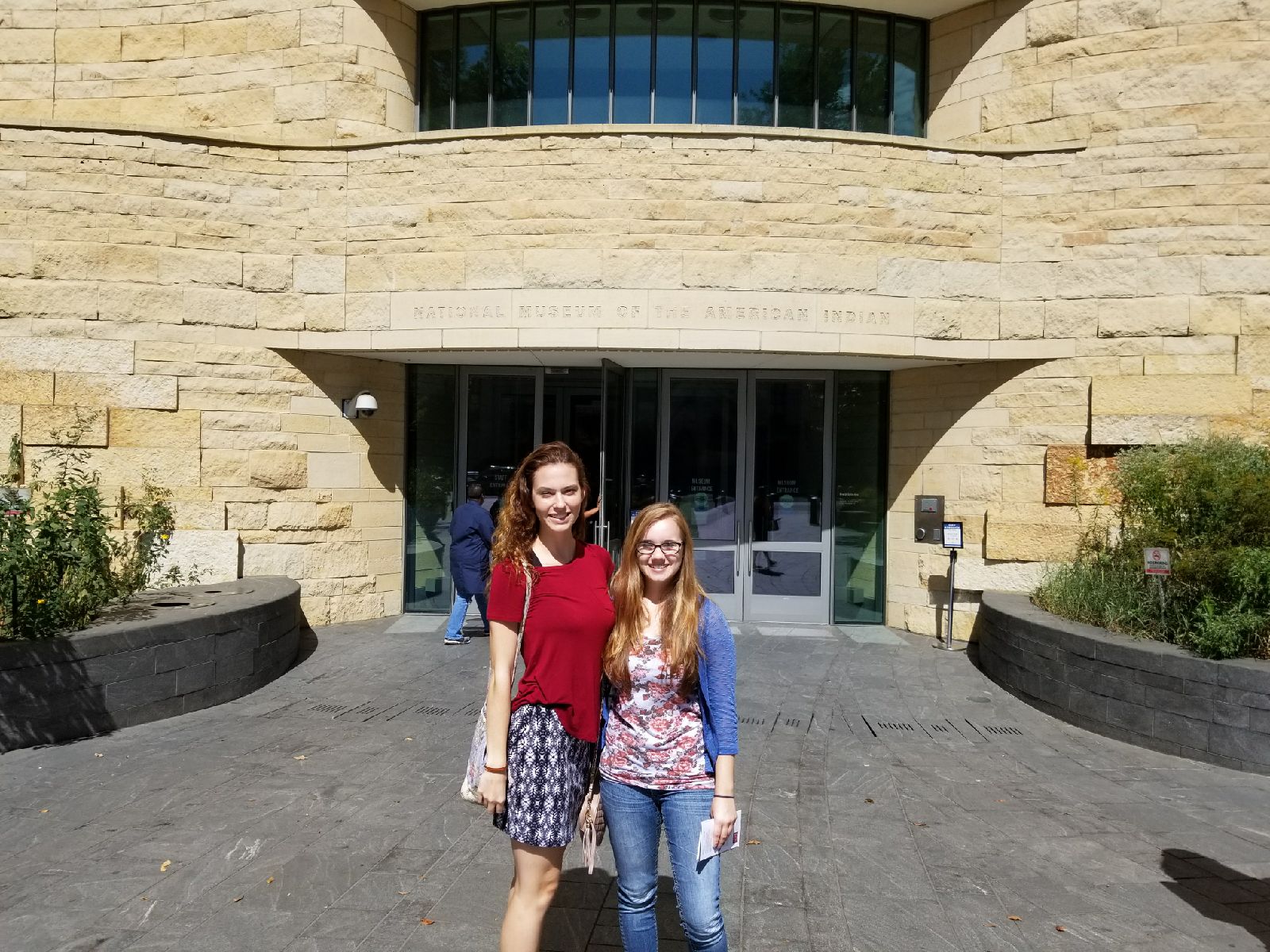
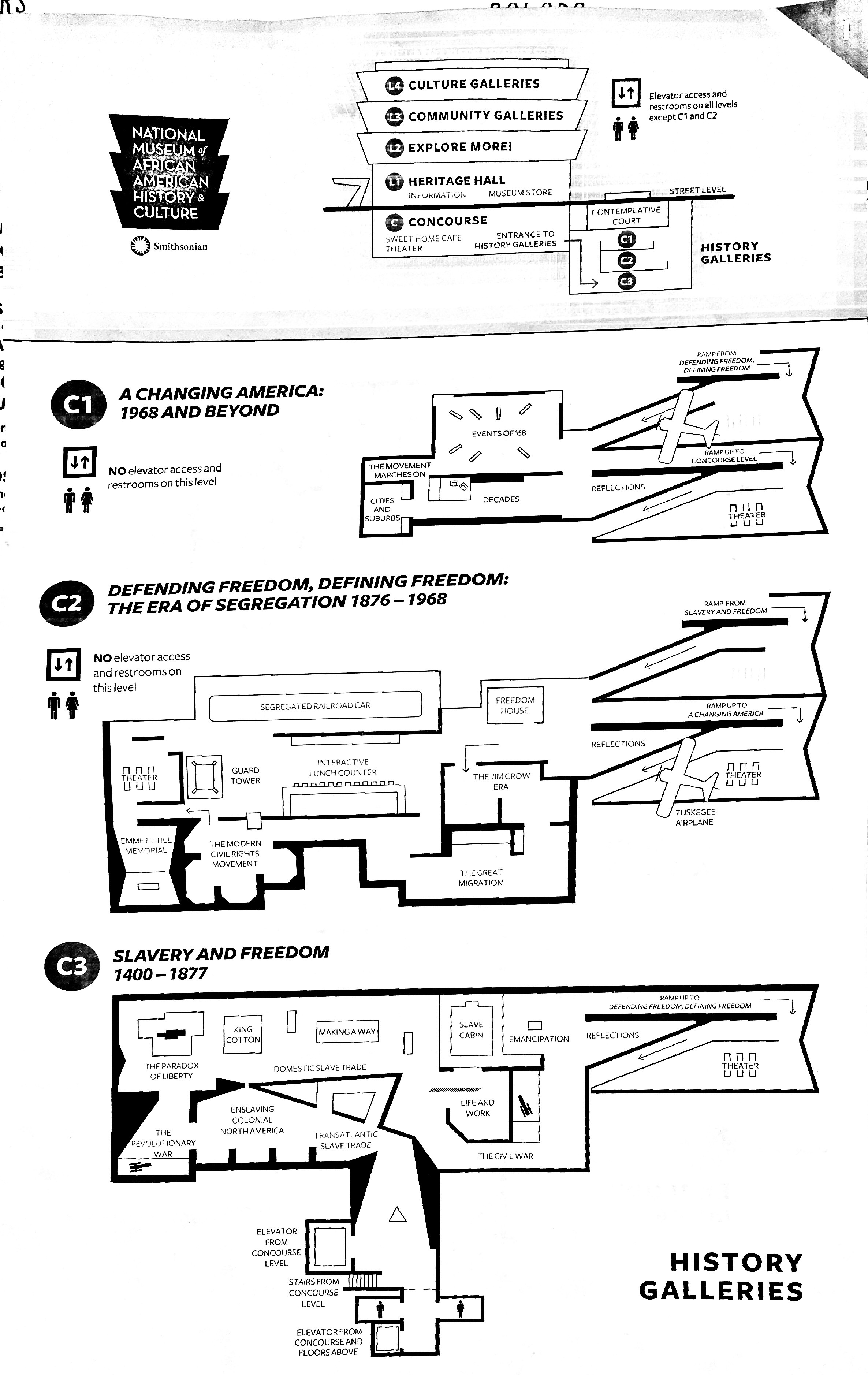 American Indian and the National Museum of African American History and Culture museums in Washington D.C.
Class: During my first social work class as a freshman, Intro to Social Work (SOCW 211), we conducted an immersion experience service project where we each worked a set amount of hours serving members of the community. I chose to do my project at the food pantry that is run out of my home church. While there, I worked with the impoverished population of my community, preparing and giving food baskets so that they could have a nice Thanksgiving meal. Here is the reaction paper that I wrote at the conclusion of the project.