
To help prevent compassion fatigue and burnout, I will implement a self-care plan that aligns with my lifestyle, family responsibilities, and professional role as a developing clinician. This plan is built around consistency rather than perfection, and it focuses on protecting my energy through intentional recovery time, boundaries, movement, and stress regulation skills. I will monitor early warning signs of burnout (irritability, emotional numbing, sleep disruption, dread before work, and reduced patience) and respond quickly by strengthening routines, reducing nonessential commitments when possible, and consulting supervision as needed.
Monthly: I will schedule at least one intentional recharge activity each month, such as a massage, a short day trip or overnight getaway, visiting farmer’s markets and local vendors, or planning a low-pressure family outing that feels restorative rather than stressful. I will also set aside time monthly to buy and read a new book for enjoyment and downtime. At the end of each month, I will complete a brief personal check-in to assess my stress level, identify what is draining my energy, and adjust my next month’s schedule to protect recovery time.
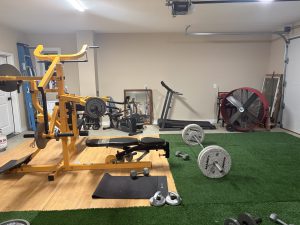
Weekly: I will prioritize connection and support by making intentional time for relationships that help me stay grounded. I will plan quality time with friends, and I will intentionally connect with my husband through a scheduled date night or structured time together, even if it is simple and low-cost. I will engage in physical movement at least three times per week because exercise helps reduce stress, improve mood, and support sleep. To make this sustainable and accessible, I installed a home gym so that I can exercise consistently even when time is limited. When possible, I will incorporate outdoor time, such as walking, sitting outside, or spending time in nature—because it improves my emotional regulation and helps me reset. I will also protect at least one block of personal downtime per week for reading or another calming activity, and I will set a boundary around at least one evening when I do not take on extra tasks beyond essential responsibilities.
Daily: I will focus on basic wellness habits that reduce stress vulnerability. I will stay hydrated, eat regular meals, and take a real lunch break at work to prevent running on empty. I will use brief stress regulation strategies throughout the day, including paced breathing, grounding, and short mindfulness check-ins, especially when I notice myself becoming overwhelmed or emotionally activated. I will build a short transition routine between work/school and home to help reduce emotional carryover, such as a few minutes of quiet in the car, a short walk, or a reset activity before starting family responsibilities. In addition, I purchased a steam sauna to support recovery and mental well-being, and I will use it intentionally as part of my decompression routine when stress is elevated. If I experience a difficult client session or heavy emotional content, I will use supervision and professional supports appropriately, and I will avoid isolating or “pushing through” without processing.

By following this plan, I will be better equipped to manage stress, maintain balance, and sustain effective practice. Consistent self-care will allow me to stay present, ethical, and emotionally available in my work, while also protecting my well-being and my role within my family.