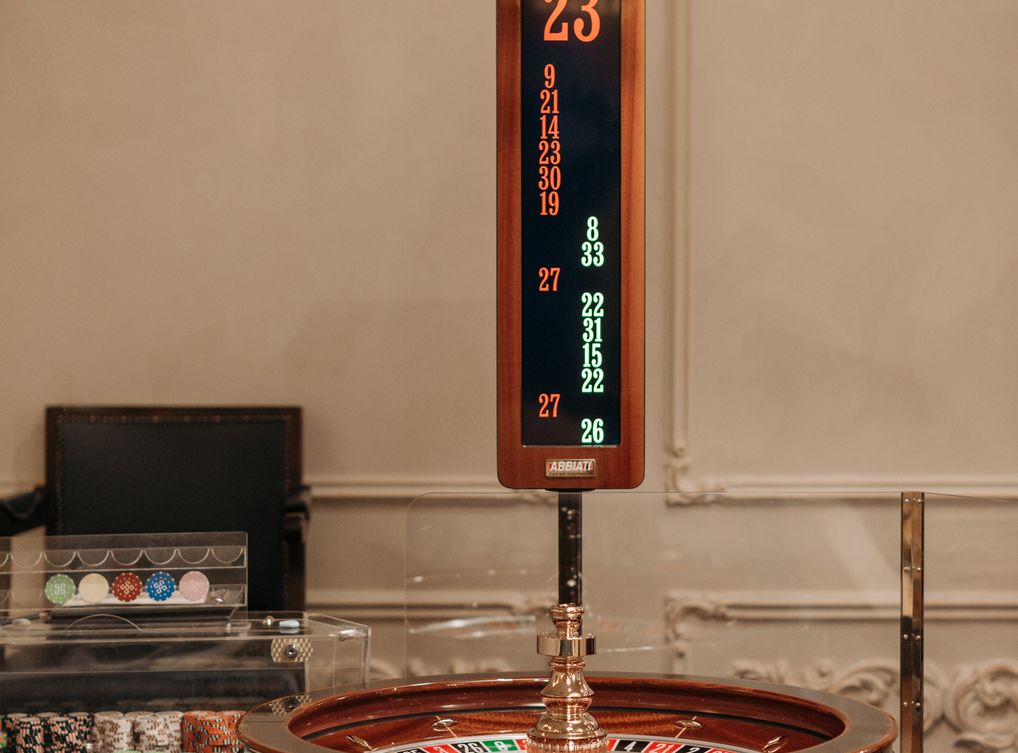
The casino industry is in the midst of a transformation that feels faster than any previous decade. In 2024, operators are no longer competing solely on game libraries or payout percentages; they are racing to master the science of player motivation. Mobile‑first platforms, instant‑deposit methods, and the rise of live‑dealer streams have all accelerated the pace at which gamblers move from curiosity to cash‑out. Yet beneath the flashy graphics and seamless checkout lies a quieter driver: human psychology.
Understanding how the brain reacts to reward, risk, and social cues has become the hidden engine behind market dominance. Operators translate those insights into bonuses that act like a magnetic pull, drawing new users and keeping veterans at the tables. For a look at how regional markets are adapting, see the latest overview of betting sites in uae. The Worldlaughterday portal offers a neutral snapshot of regional operators, helping readers compare regulatory environments without endorsing any specific brand.
This article unpacks eight analytical sections that reveal why bonuses are more than marketing fluff. From dopamine spikes to AI‑driven personalization, each part shows how modern casinos shape player behaviour, influence risk perception, and set the stage for future innovations such as VR‑based incentives.
1. The Reward‑Circuit: How Bonuses Trigger Dopamine Releases
The brain’s reward system is a finely tuned network that lights up whenever an unexpected gain occurs. Dopamine, the neurotransmitter associated with pleasure and motivation, surges when a stimulus deviates from a predictable pattern. This “variable‑ratio reinforcement” is the same principle that makes slot machines addictive; the brain never knows when the next win will arrive, so it keeps seeking the next cue.
Casino bonuses act as a powerful external cue. A welcome pack that promises 100 % match up to €200 plus 50 free spins introduces a sudden, high‑value reward that the brain registers as a bonus event. The moment a player clicks “Claim,” the anticipation of a potential win releases dopamine, priming the neural pathways for continued play. Recent neuroscience studies, such as a 2023 functional MRI investigation of gambling cues, found that rapid payout notifications increased activity in the nucleus accumbens by 23 % compared with standard bet confirmations.
Operators exploit this by layering bonuses in a way that maximizes the frequency of dopamine spikes. Reload bonuses appear after a set number of wagers, while free‑spin cascades trigger after each win streak, creating a rhythm of reward and anticipation. The design goal is simple: keep the dopamine loop active long enough that the player’s decision‑making shifts from rational evaluation of odds to a more emotion‑driven state.
Key mechanisms
- Variable‑ratio schedule: bonuses are delivered unpredictably (e.g., random “cashback days”).
- Immediate feedback: visual and auditory cues accompany bonus crediting.
- Escalating stakes: higher‑value bonuses unlock as the player’s session length increases, reinforcing the loop.
The result is a self‑reinforcing cycle where each bonus claim feels like a mini‑victory, encouraging longer sessions and higher wagering totals.
2. Loss Aversion and the “Free Money” Illusion
Loss aversion, a cornerstone of prospect theory, describes the tendency for people to feel the pain of a loss twice as strongly as the pleasure of an equivalent gain. In gambling, this bias makes players hyper‑sensitive to the prospect of missing out on “free money.” No‑deposit bonuses exploit this by offering a risk‑free entry point: a €10 free bet that can be turned into real cash without any initial outlay.
Matched‑deposit offers amplify the illusion. A 150 % match on a €500 deposit translates into €750 of play money, instantly inflating the perceived bankroll. The headline “Get €750 in bonus cash today!” triggers a fear of loss—players imagine walking away with a smaller amount if they decline. The psychological calculus is straightforward: the perceived loss of not receiving the bonus outweighs the rational assessment that the wagering requirements (often 30× bonus) diminish the true value.
Real‑world examples illustrate the potency of this approach. In March 2024, a leading European sportsbook launched a “Bet €20, Get €100 Sports Betting Bonus” campaign. Within 48 hours, the promotion generated 120 % more new accounts than the previous month’s standard welcome offer. The surge was driven largely by the “free money” narrative, which made potential players feel they were avoiding a loss rather than simply receiving a gift.
Regulators are responding with stricter transparency rules. The UK Gambling Commission now requires operators to display wagering requirements in bold type and to provide clear calculators that show how much real cash a player can expect after meeting the conditions. Similar moves are occurring in the United Arab Emirates, where the Worldlaughterday resource lists the latest compliance guidelines for regional operators. These disclosures aim to curb deceptive marketing while preserving the legitimate appeal of bonuses.
Bullet list – Common loss‑aversion triggers
- No‑deposit free bets (e.g., €10 on first login)
- High‑percentage match offers (150 % up to €500)
- Time‑limited “claim now or lose” pop‑ups
- Tiered loyalty bonuses that promise escalating rewards
By framing bonuses as a safeguard against loss, casinos tap directly into a deep‑seated cognitive bias, turning curiosity into immediate action.
3. Personalisation Engines: Tailoring Bonuses to Individual Behaviour
Data has become the new currency of casino marketing. Modern platforms collect granular information on deposit frequency, game preference, average bet size, and even the time of day a player is most active. Using machine learning algorithms, operators segment users into archetypes such as “high‑stakes bettor,” “casual slot fan,” or “social tournament player.”
Artificial intelligence then predicts the optimal bonus type for each segment. For example, a player who spends 70 % of their session on live roulette and consistently wagers €200–€500 per hand is flagged for a “high‑roller cashback” offer: 10 % of net losses returned weekly, plus exclusive VIP table invites. Conversely, a casual slots enthusiast who plays 30‑minute bursts may receive a streak‑based free‑spin package that resets after each 10‑spin win chain.
Case studies from 2024 show the financial impact of such precision. An online casino operating in the Nordic market reported a 27 % lift in player lifetime value (LTV) after implementing AI‑driven bonus personalization. The most notable gain came from converting “low‑frequency, high‑spend” users into repeat customers by offering tailored reload bonuses on the days they historically deposited.
Privacy concerns, however, loom large. The European Union’s GDPR and similar regulations in the Middle East require explicit consent for behavioural profiling. Operators must balance the lure of hyper‑targeted incentives with the ethical obligation to protect user data. The Worldlaughterday website provides a neutral guide on best practices for privacy compliance, helping operators navigate the fine line between personalization and exploitation.
Comparison table – Bonus personalization vs. generic offers
| Feature | Generic Bonus (One‑size) | Personalized Bonus (AI‑driven) |
|---|---|---|
| Target audience | All new registrants | Segmented based on play history |
| Typical value | Fixed €100 match + 20 free spins | Variable (e.g., 15 % cashback, VIP tournament) |
| Redemption rate | 35 % | 62 % |
| Impact on LTV | +8 % | +27 % |
| Compliance risk | Low (standard terms) | Medium (requires data consent) |
The table illustrates how a data‑centric approach can double conversion efficiency while demanding higher standards of user consent.
4. Social Proof and Competitive Bonuses
Human beings are wired to look to others for cues on how to behave, especially in ambiguous situations. In gambling, social proof manifests through leaderboards, community challenges, and shared bonus codes. When a player sees a friend’s avatar flashing “Won €5,000 in the weekend tournament,” the urge to replicate that success spikes.
Leaderboards turn individual play into a competitive sport. Casinos now host “Daily High‑Roller” leaderboards where the top 10 players earn extra free‑spin bundles or a share of a €10,000 prize pool. The psychological pressure to climb the ranking encourages more frequent betting and larger stakes, because each wager becomes a step toward social recognition.
Referral programmes amplify this effect. A popular “Invite a friend, both get €20 free” scheme leverages the trust inherent in personal networks. The viral nature of such offers creates a cascade: each new player becomes a potential promoter, extending the reach of the bonus without additional media spend.
Social casino platforms blend these mechanics with traditional social networking features. Players can form “clubs,” share achievements, and collectively unlock “club bonuses” that reward group activity. A 2024 study of a leading social casino app found that users who participated in club challenges increased their average session length by 14 % compared with solo players.
Bullet list – Elements that boost social‑proof bonuses
- Real‑time leaderboards with visible earnings
- Shared promo codes that display the referrer’s name
- Club or guild systems that unlock collective rewards
- In‑app chat that highlights recent wins
By turning bonuses into a social status symbol, operators tap into the innate desire for belonging and prestige, driving higher engagement across the platform.
5. The “Gamification” Effect: Turning Bonuses into Game Mechanics
Gamification is the practice of applying video‑game design elements to non‑gaming contexts. In 2024, casinos have woven gamified layers directly into their bonus structures. Streak bonuses reward players for consecutive days of login, while level‑up systems grant increasingly valuable perks as a player accrues experience points (XP) from wagering.
A practical illustration comes from a live‑dealer casino that introduced a “Mission Hub.” Players receive weekly missions such as “Play 50 hands of Blackjack” or “Win 3 roulette spins with a bet of €100 or more.” Completion unlocks a “Mission Bonus” – typically a 20 % cashback on losses incurred during the mission period. The mission format mirrors quest‑driven gameplay in role‑playing games, providing clear goals, immediate feedback, and a sense of progression.
Achievement badges further extend session length. When a player earns the “High‑Stakes Champion” badge for placing €10,000 in bets within a single day, the platform flashes a celebratory animation and offers a one‑time €200 free‑bet voucher. The badge becomes a status symbol displayed on the player’s profile, encouraging peers to emulate the feat.
Successful campaigns illustrate the potency of this approach. In July 2024, a major online sportsbook launched a “Season Pass” that combined tiered betting milestones with exclusive sports betting bonuses. Users who reached Tier 3 (cumulative €5,000 in wagers) unlocked a “Free‑Bet Friday” where every bet placed that day received a 10 % bonus stake. The pass generated a 19 % uplift in weekly wagering volume compared with the previous month’s standard promotion.
Gamified bonuses therefore transform passive reward receipt into an active, goal‑oriented experience, aligning player motivation with the operator’s revenue objectives.
6. Risk Perception: How Bonuses Skew Player Assessment of Odds
When bonus funds appear in a player’s balance, the mental accounting process often treats them as if they were personal capital. This “budget illusion” leads gamblers to underestimate the true risk of each wager. A €50 free‑spin bundle, for instance, may feel like a modest loss if a player bets €5 per spin, but the underlying wagering requirement (e.g., 40×) forces the player to stake €2,000 before any withdrawal is possible.
Statistical models built on 2024 player data show that average bet size increases by 18 % during periods when a reload bonus is active. The same models reveal a 22 % rise in the number of high‑stakes bets (≥€500) among users who have claimed a “high‑roller cashback” offer. The presence of bonus capital reduces the perceived cost of each bet, encouraging riskier behaviour.
Responsible‑gaming recommendations aim to counteract this distortion. Operators can display real‑time calculators that translate bonus value into required turnover, making the hidden cost visible. Another approach is to cap the maximum bet allowed on bonus money, a practice already mandated in several European jurisdictions.
From a regulatory standpoint, transparency is becoming non‑negotiable. The Malta Gaming Authority now requires that any bonus with a wagering multiplier above 30× must include a mandatory pop‑up explaining the “effective cost per bet.” Similar guidelines are referenced on the Worldlaughterday site, which aggregates regional compliance updates for operators seeking to align with best practices.
Key safeguards
- Bet‑size limits on bonus funds (e.g., max €100 per spin)
- Real‑time turnover calculators displayed during play
- Mandatory disclosure of wagering multipliers in bold font
By implementing these measures, operators can preserve the excitement of bonuses while reducing the likelihood of players misjudging their risk exposure.
7. Seasonal and Event‑Driven Bonus Strategies
Casinos have become adept at syncing bonus releases with external calendars. Holidays such as Christmas, Eid, and the Chinese New Year trigger “festive‑package” bonuses that bundle free spins, deposit matches, and loyalty points. Major sporting events—World Cup, Super Bowl, and the 2024 Olympics—spark “event‑specific” offers like “Bet €50 on any match, get a €25 sports‑betting bonus.”
Limited‑time offers leverage the scarcity principle. Countdown timers displayed next to the bonus claim button create a sense of urgency, prompting faster decision‑making. A 2024 case study of a Caribbean‑licensed casino showed that a 48‑hour “Summer Splash” promotion (100 % match up to €300 + 30 free spins) generated a 41 % spike in new deposits compared with the preceding week’s baseline.
A typical 2024 bonus calendar might look like this:
| Month | Event | Core Bonus | Duration | Notable Metric |
|---|---|---|---|---|
| Jan | New Year | 150 % match up to €500 | 7 days | +22 % new accounts |
| Feb | Super Bowl | €20 free bet on NFL | 48 h | 35 % higher sports‑betting volume |
| Mar | Women’s Day | 50 free spins on “Starburst” | 5 days | 18 % rise in slot sessions |
| Apr | Easter | Cashback 10 % on losses | 10 days | 12 % increase in high‑stakes play |
| May | Ramadan (UAE) | 100 % match up to €200 + halal‑compliant games | 14 days | 27 % boost in regional deposits |
| Jun | FIFA World Cup | Tiered betting bonuses per match | 1 month | 40 % surge in live‑betting |
| Jul | Summer Festival | Free‑bet roulette tournament | 3 days | 16 % higher table‑game revenue |
| Aug | Back‑to‑School | Loyalty points multiplier x2 | 7 days | 9 % uplift in repeat wagers |
| Sep | Autumn Harvest | 75 % match + 25 free spins | 5 days | 14 % growth in new registrations |
| Oct | Halloween | “Spooky Slots” free‑spin cascade | 48 h | 20 % lift in slot volatility |
| Nov | Black Friday | €100 no‑deposit bonus | 24 h | 31 % spike in first‑time deposits |
| Dec | Christmas | 200 % match up to €1,000 + 100 free spins | 10 days | 45 % increase in total wagering |
The competitive race for the “best‑of‑season” package forces operators to constantly innovate, layering additional perks such as exclusive live‑dealer tables or instant‑withdrawal guarantees to stand out.
8. Future Trends: Neuro‑Marketing, VR Bonuses, and the Next Evolution of Player Incentives
Looking ahead, emerging technologies promise to deepen the integration of psychology and bonus design. Neuro‑marketing tools—such as portable EEG headsets that detect real‑time brainwave patterns—could allow operators to gauge a player’s arousal level during gameplay. In a pilot program conducted in 2024, a Scandinavian casino used EEG data to adjust the timing of free‑spin releases, delivering them when the player’s dopamine markers peaked. Early results indicated a 12 % increase in session duration without altering the overall bonus value.
Virtual and augmented reality are poised to transform bonus delivery from a simple credit to an immersive experience. Imagine a VR casino where a player walks into a “Bonus Lounge” and physically opens a treasure chest that releases holographic chips and a personalized mission briefing. Such sensory‑rich environments amplify the reward circuitry, making the bonus feel like a narrative climax rather than a transactional perk.
Experience‑based bonuses could also blend non‑gaming elements, such as live concerts or sports‑event access, with traditional wagering incentives. A 2024 partnership between an online sportsbook and a major e‑sports league offered a “Championship Pass” that granted VIP seats to the finals for players who accumulated €10,000 in betting volume. The pass combined tangible real‑world value with the psychological lure of exclusive status, driving a 28 % rise in high‑volume betting during the tournament week.
These innovations raise ethical questions. Real‑time neuro‑feedback may border on manipulation, prompting regulators to consider new consent frameworks. VR environments could obscure the line between entertainment and gambling, especially for younger audiences. The Worldlaughterday website currently tracks emerging policy discussions in this area, providing a neutral repository of legislative proposals without attributing authority.
Operators that stay ahead of these trends—while maintaining transparent, responsible‑gaming practices—will likely dominate the latter half of 2024 and beyond. The ability to fuse cutting‑edge technology with a deep understanding of human motivation will separate fleeting promotions from lasting market leadership.
Conclusion
Psychology is the silent architect behind every bonus a modern casino releases. From dopamine‑driven reward circuits to loss‑aversion triggers, from AI‑crafted personalization to socially powered competition, each lever shapes how players perceive risk, value, and enjoyment. Operators that master this balance—delivering enticing incentives while upholding responsible‑gaming standards—will secure lasting loyalty and outpace rivals in an increasingly crowded market.
Staying informed about evolving bonus mechanics is essential for both players and industry professionals. By recognizing the psychological triggers at play, readers can make smarter decisions, enjoy the thrill of the game, and avoid the pitfalls of hidden biases. For ongoing insights and neutral resources, the Worldlaughterday site remains a valuable reference point as the casino landscape continues to evolve.